🚀 America’s Tech Power in 2026: The AI Revolution Is Just the Beginning
The United States is no longer just leading in technology — it is reshaping the future of the global economy.
From artificial intelligence to semiconductor dominance, America’s tech ecosystem is entering a phase that many analysts call a “once-in-a-generation acceleration.”
⚠️ Key insight: The real battle is no longer about products — it’s about control of the digital infrastructure of the world.
🤖 AI Supremacy: The New Digital Arms Race

U.S. companies are dominating the AI space at an unprecedented level.
- Advanced generative AI models
- AI-powered search engines
- Automation replacing entire workflows
The shift is massive: AI is moving from a tool to a decision-making system.
🧠 Reality: Companies that adopt AI early are outperforming competitors by 2x–5x in productivity.
💻 The Chip War: Why Semiconductors Matter More Than Oil

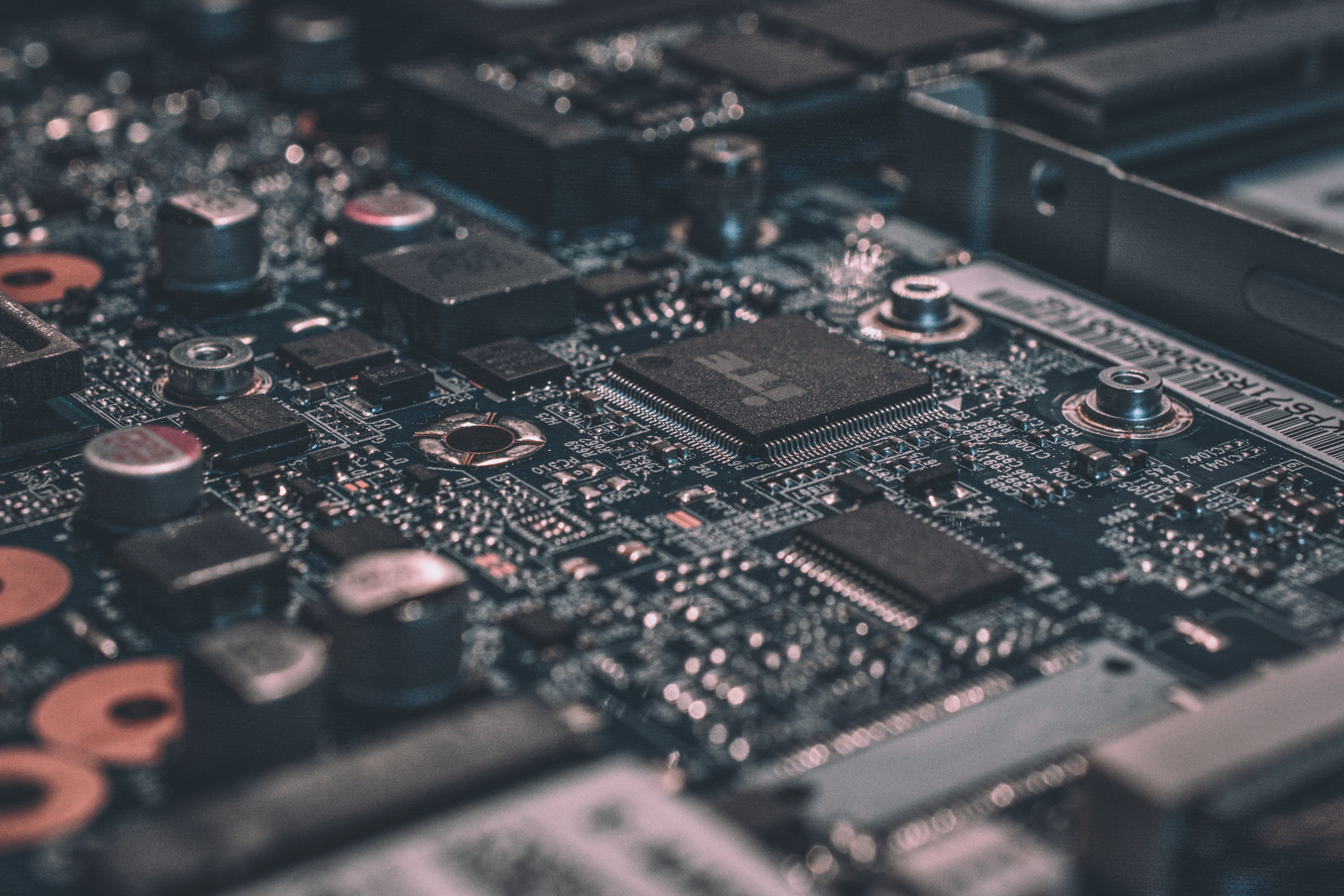
Behind every AI system is one critical component: advanced chips.
The U.S. is investing billions to secure its semiconductor supply chain — because whoever controls chips controls AI.
- Massive government funding initiatives
- New chip manufacturing plants
- Strategic global partnerships
This is not just business — it is geopolitical strategy.
☁️ Cloud + AI: The Silent Infrastructure Boom
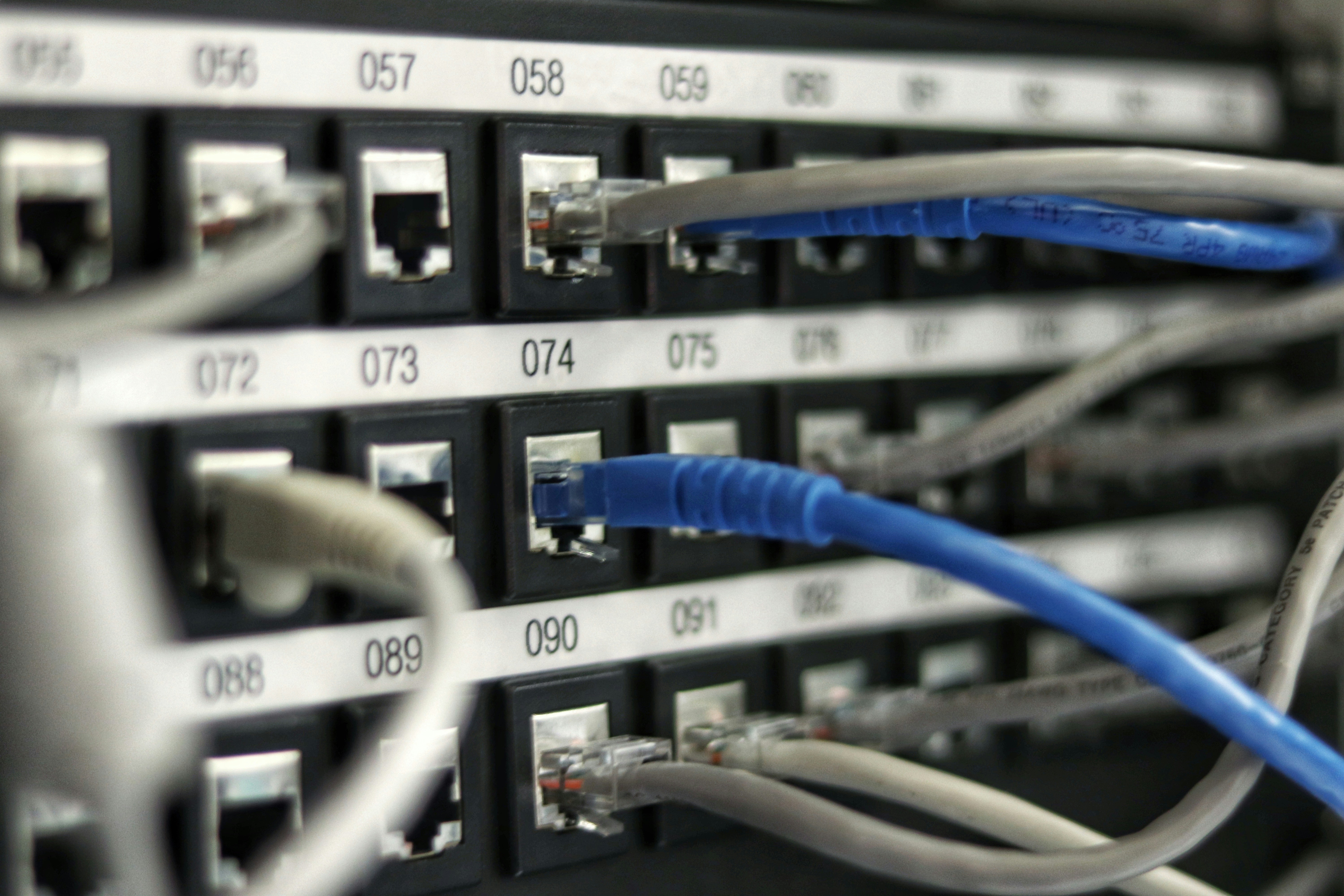
Cloud computing is becoming the backbone of everything:
- AI training and deployment
- Global data storage
- Enterprise software ecosystems
Major U.S. tech companies are building massive data centers to support AI demand — consuming enormous computing power.
⚡ Insight: The companies controlling cloud infrastructure will dominate the next decade.
📱 Consumer Tech: AI Is Entering Everyday Life
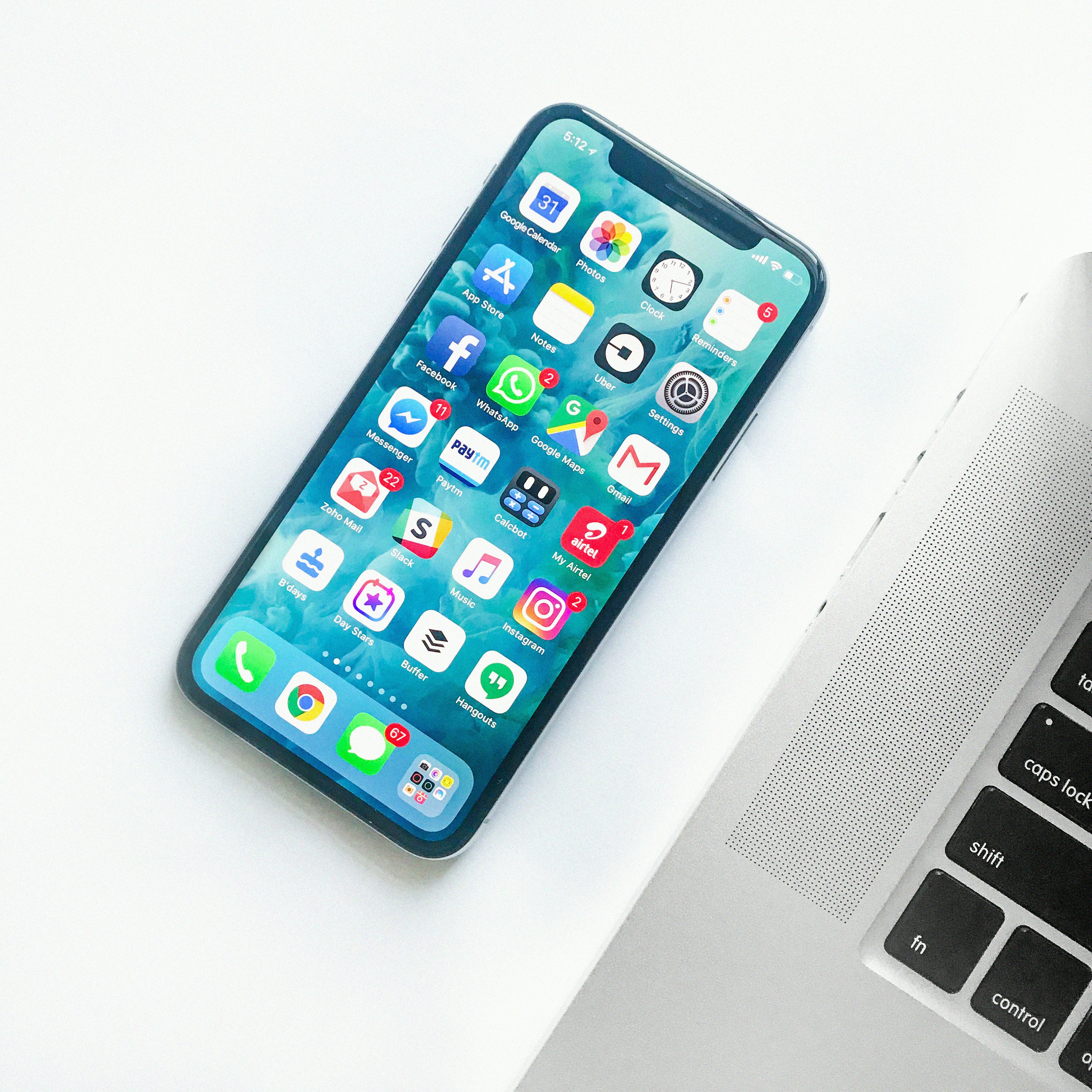
AI is no longer hidden — it is now embedded in everyday devices:
- Smartphones with AI assistants
- AI-powered video and content tools
- Personalized digital experiences
This is creating a new era of hyper-personalized technology.
⚠️ The Hidden Risks: Power, Privacy, and Control

With great power comes serious risks:
- Data privacy concerns
- AI bias and misinformation
- Mass job disruption
Governments and companies are now facing difficult questions about how to balance innovation with responsibility.
🔥 The truth: Technology is advancing faster than regulation can keep up.
🌍 Global Impact: Why the World Is Watching the U.S.
The ripple effects of U.S. tech dominance are global:
- Countries racing to build their own AI systems
- New alliances forming around technology
- Economic power shifting toward digital leaders
This is not just innovation — it is a redefinition of global power.
🧭 Final Thought: The Future Is Being Written Now
The next decade will not be shaped by politics alone — it will be shaped by code, data, and algorithms.
And right now, the United States is leading that transformation.
🚀 The question is not whether technology will change your life — it’s how fast you can adapt to it.
Comments
Post a Comment